



PP Pump vs Stainless Steel Pump: Which Material Wins in Chemical Service?
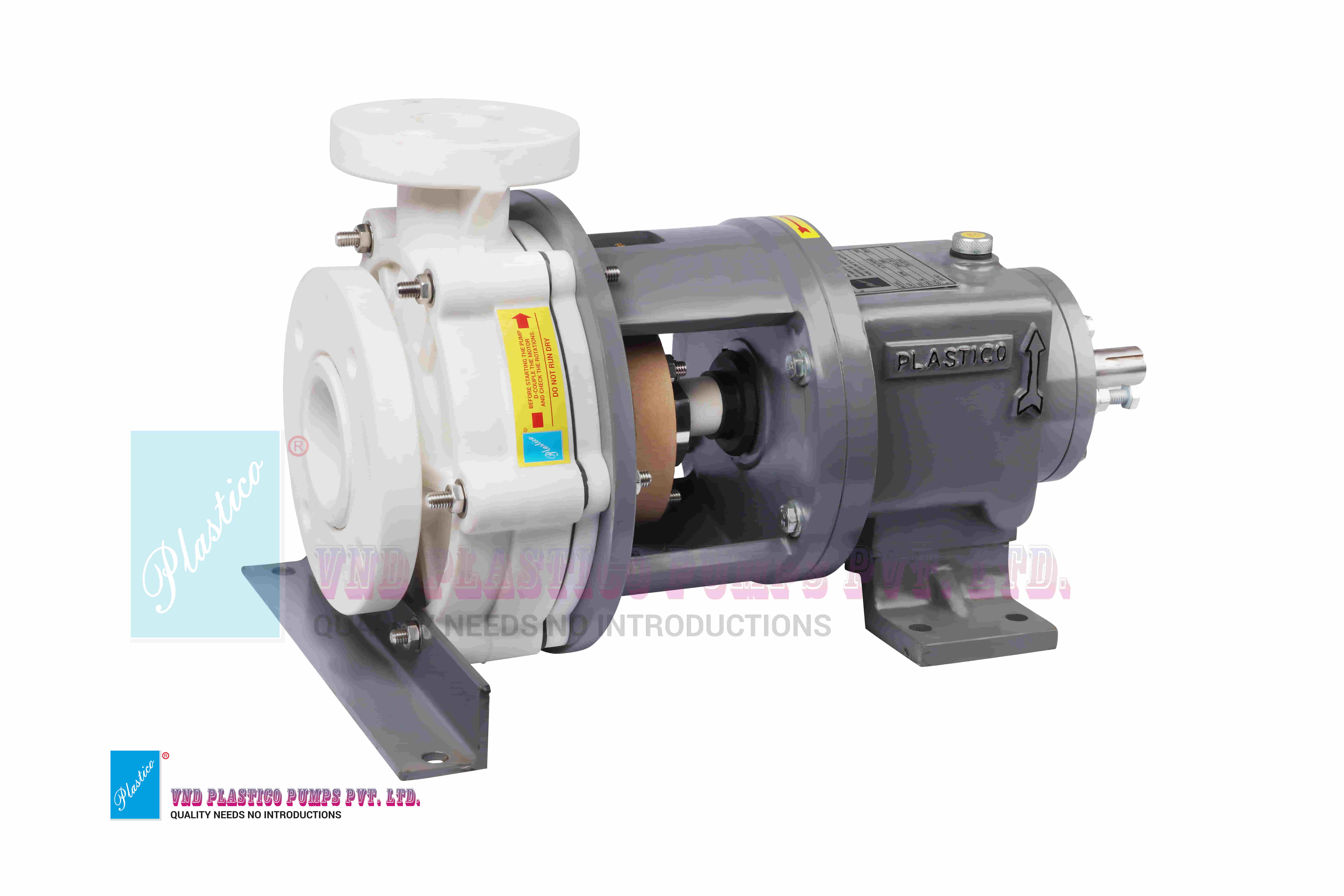
When it comes to the chemical industry, selecting the appropriate pump cannot be simply based upon pump performance, but rather performance, safety, reliability, and cost of ownership. From one local pump manufacturer to the next, in chemical service pump comparison, Two Pumps that regularly become a popular discussion point are PP Pumps and Stainless Steel Pumps, where they are frequently utilized in industrial service as well as chemical service.
Understanding the Basics
A PP pump (Polypropylene Pump) is essentially used for the transport of corrosive and abrasive fluids. They are ·lightweight,·non-reactive, and can be utilized to transfer stronger acids, alkalis, and mixtures of chemicals without degrading or failing. For these reasons, PP Pump Manufacturers typically tend to recommend PP pumps for chemical dosing applications, effluent process and treatment applications, and in other plants that deal with electroplating.
On the other hand, a Stainless Steel Pump will be produced from either SS304, SS316 grade, or medical-grade metal. Stainless Steel Pumps typically possess the highest tensile strength, the highest heat resistance, and highest durability of any pump on this list. Stainless Steel Pump Manufacturers produce these pumps in industries such as pharmaceuticals, petrochemicals, and food processing, where hygiene, mechanical reliability, and temperature tolerance are needed
1. Chemical Resistance
When handling corrosive or aggressive fluids, chemical resistance becomes the key factor. PP pumps excel in this area as polypropylene resists strong acids, caustic solutions, and oxidizing agents. That’s why most Centrifugal Chemical Process Pump Manufacturers recommend PP construction for fluid transfer involving hydrochloric acid, nitric acid, or chlorine-based compounds.
Winner: PP Pump — better for highly corrosive environments.
2. Mechanical Strength and Durability
If your process involves high pressure or hot liquids, then mechanical strength is just something not to compromise with. For sure, stainless steel pumps will outperform their PP cousins in such applications due to their solid metallic construction and resistance to deformation, promising smooth performance in extreme temperatures and continuous duty cycles.
Being thermoplastic, the PP pumps have lower structural strength compared to their counterparts and may deform in cases of high temperatures or pressure.
On the other hand, PP pumps are generally only recommended for temperatures below 70°C due to fatigue and softening of the material.
So the winner is: Stainless Steel Pump, noted for reliability under conditions of high temperature.
4. Maintenance and Service Life
Both varieties of pumps are fairly low maintenance when they are being utilized in the right environment. PP pumps are superior in corrosive service because their polymer body does not rust or pit. Many PP Pump Manufacturers in India have developed their models with modular components that are quick and inexpensive to service.
Stainless Steel Pumps will need some periodic cleaning and inspection to mitigate the chances of scaling but will last longer in a high pressure application. When they are used with proper seals and bearings, they can provide years of dependable service.
Winner: Tie - they are both superior in their respective working environment.
5. Cost and Investment Value
Considering price alone, PP pumps are cost-efficient. In fact, they provide a strong value proposition of price-performance for general chemical processing. For a facility that is operating on a limited budget or processes fluid that requires only the low-to-medium pressure performance range, PP is the way to go.
On the other hand, if you want a solution that will be a long-term engagement, heavy-duty stainless steel pump manufacturers produce products that are often more expensive, but also often provide longer life, strength, and repeatable performance in more aggressive operating conditions.
Winner: PP Pump - the optimal option for cost effectiveness and reliability for the transfer of corrosive chemicals.
6. Application Suitability
PP pumps are generally utilized in:
- Acid and alkali transfer systems
- Electroplating plants
- Effluent and wastewater treatment
- Chemical dosing units
Stainless steel pumps really shine in places like pharmaceutical or food plants, petrochemical and refinery setups, and anywhere you’re dealing with high heat or pressure. These pumps handle tough jobs without fuss—especially where durability or chemical resistance is non-negotiable.
But there’s no universal answer here. Everything depends on what you’re pumping, how aggressive the fluid is, how hot it gets, and what matters most to you—whether it’s cost, toughness, or just not having to worry about leaks or corrosion. Pick the pump that matches your actual needs and you’ll avoid a ton of hassle later.
Both PP and stainless steel pumps have their place. Stainless steel fits right in with pharma, food, petrochemicals, refineries, and any high-temp, high-pressure work. Chemical plants use them for transfer processes all the time. Most pump makers offer both types, so you can match your choice to whatever fluid and environment you’re working with.
Safety’s a big deal in chemical work. PP pumps don’t leak or corrode thanks to their non-organic nature, while stainless steel doesn’t react much and shrugs off pressure and heat. That’s huge when things get rough. Plus, both materials are good for the planet—PP gets recycled, and you can reuse stainless steel over and over. They both help the industry move in a greener direction.
So, which pump should you pick for chemical service—a PP or stainless steel one? It all comes down to your situation. If you’re handling corrosive stuff at moderate temperatures, a solid PP pump does the trick. But if your process needs more—higher strength, better heat resistance, or extra reliability—go with stainless steel.