



How to Choose the Right Centrifugal Chemical Process Pump for Your Plant
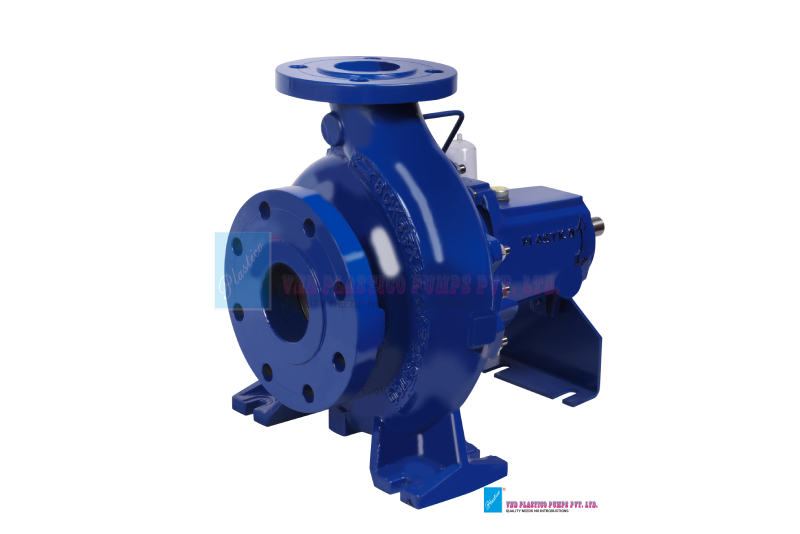
Pumps are considered the workhorses of any chemical processing plant and are indispensable in keeping your operation running smoothly and efficiently. Centrifugal chemical process pumps are some of the most popular of all pump types because of their reliable and straightforward design features, along with the ability to pump a vast range of fluids. Choosing the proper pump for your processing plant can be very challenging. Chemical compatibility, temperature, flow rate, and even maintenance requirements all factor into the type of pump used. This guide will help you make an informed decision in selecting the right centrifugal chemical process pump for your facility.
Pumps are considered the workhorses of any chemical processing plant and are indispensable in keeping your operation running smoothly and efficiently. Centrifugal chemical process pumps are some of the most popular of all pump types because of their reliable and straightforward design features, along with the ability to pump a vast range of fluids. Choosing the proper pump for your processing plant can be very challenging. Chemical compatibility, temperature, flow rate, and even maintenance requirements all factor into the type of pump used. This guide will help you make an informed decision in selecting the right centrifugal chemical process pump for your facility.
1. Understand Your Application Requirements
The first step is to determine the requirements of your process. The characteristics of the liquid to be pumped, whether it is hot or cold, viscous or non-viscous, and corrosive or non-corrosive, will affect your pump selection. As an example, a highly corrosive or acidic fluid will necessitate the use of a PVDF Pump or PP pump rather than a metal pump. In the same manner, a stainless steel pump is the best choice for solvents and organic liquids as it does not degrade over time. Understanding the requirements of your process will help reduce your options efficiently and avoid an expensive mistake at a later date.
2. Select the Right Material of Construction
Material used in the construction of the pump determines its chemical resistance, durability, and safety. Stainless steel pumps are by far ideal for non-corrosive or mildly corrosive liquids in such industries as food, pharmaceuticals, and petrochemicals.
3. Concentrate on Pump Efficiency and Performance
It's not only a matter of saving energy, but efficiency is also a major factor in overall productivity. When selecting this pump, you should consider the hydraulic design, impeller type, and operating point of the pump. A pump that operates near its Best Efficiency Point will provide the best flow and pressure conditions, with less wear, which is beneficial. Poor efficiency results in higher energy costs and less reliable operation, resulting in earlier replacement. Always check the performance curve and always confirm with your supplier that your pump meets your desired flow rate and head conditions.
4. Prioritize Maintenance and Reliability
Downtime in chemical processing facilities can be expensive. When choosing a pump, it is also essential to think about ease of maintenance and access to components. The ideal choice will feature a pump that contains a simple in-line assembly, as well as parts designed for simple replacement in the field. A centrifugal chemical process pump has non-clogging impellers, heavy duty seals, and robust bearings for enhanced reliability in around-the-clock service. A reputable manufacturer will also help ensure that spare parts and technical support are available when you need them.
5. Evaluate Resistance to Corrosion and Erosion
Pumps often work in these extreme or damaging situations due to the chemicals being processed. Choosing a pump material and coating can protect them. Pumps formed out of PVDF and PP are excellent for corrosive liquids. If there are particles in the application, abrasive materials may be used better for applications with abrasive particles. Regularly scheduled maintenance and inspection keep the pump operating to specification and improve its longevity.
6. Evaluate Total Cost of Ownership
It is easy to be swayed by the purchase cost only, but the value is found in the "total Cost of Ownership" (TCO). The initial cost of the pump may be low, but it could consume more energy or require more frequent maintenance. However, an up-front cost for a performance-based, more durable centrifugal pump with cost savings later could result in a more advantageous decision in the future. Before you buy any pump, be sure to consider energy efficiency, life expectancy of the pump, and the frequency of required repairs.
7. compliance and safety standards
Safety and compliance cannot be compromised in the chemical industry. Pumps must conform to standards to ensure safety and reliable operation. Pumps with a non-leaking seal, with explosion-proof motors and dry-run protection, add more safety while dealing with hazardous situations. Always confirm that the pump you select has these standards to prevent accidents and ensure the health and safety of workers.
8. Partner with a reliable manufacturer
The question is all about finding the right manufacturer. A top pump manufacturer will always provide you with technical guidance, after-sales support, and solutions tailored to your application. Many reputed suppliers of centrifugal chemical process pumps offer installation assistance, performance testing, and warranty assurance to ensure the best return on your investment.
Conclusion
Selecting the right centrifugal chemical process pump is much more than an acquisition; it's a long-term commitment to efficiency, safety, and reliability. Knowing only the process is not the only factor; you will have to choose the right material, be cautious of efficiency ratings, and be sure to partner with a pump manufacturer with experience. By doing so, you are setting yourself up for smooth operations and maximum production.